With Britain or rather its infrastructure facing increasing dangers and challenges from cyberattacks or just because of failed policies that replaced reliable electricity generation with unreliable renewables, many are thinking about what they will do for information in such a situation where is no power for an extended period? In an extended power outage situation, maybe much longer than that which the power management authorities say will be the case, there’s going to be no internet, no TV broadcasting and no mobile phones. To a society that has become used to having access to instant information, the loss of those sources is going to be a complete and utter culture shock.
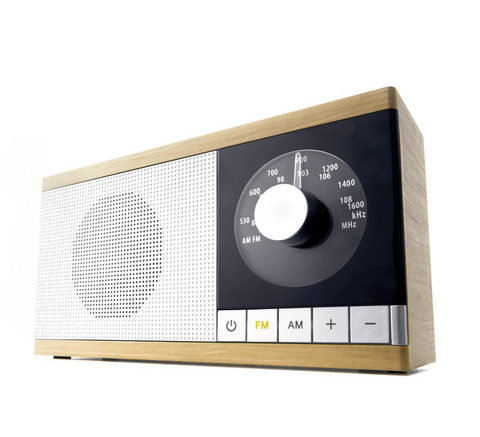
To address the issue of getting information to people in the event of an extended power outage the BBC is going to set up emergency broadcasting stations operating mostly in the VHF FM part of the radio spectrum between 87 to 108 MHz. There’s an excellent video investigation of this plan that has been published by the YouTuber ‘Ringway Manchester’.
Ringway does a great job of describing the technical challenges of implementing an emergency broadcasting system to be used in the event of an extended power outage and how the BBC will probably be using emergency studios at main transmitter sites such as those at Wrotham in Kent. I’d recommend watching Ringway Manchester’s video on this for his thoughts on the scheme.
Here’s Ringway Manchester’s video on the BBC’s emergency broadcasting system.
https://www.youtube.com/watch?v=KSFLqg2FxJ8
What Ringway Manchester does not cover is how emergency broadcasts by the BBC would be perceived by the public. The public might be able to hear them with a suitable battery or wind up radio, but will the BBC be believed by the public?
The BBC does not have unfortunately a stellar record for either honesty or impartiality when it comes to covering certain stories. Whether it’s Brexit, the ongoing rape gang scandal, the Middle East, coverage of US stories, the continuing invasion of Britain by dinghy rapists and much else besides, the BBC has not been totally honest or impartial or timely when dealing with stories such as these.
There are a whole lot of reasons to distrust the BBC. I trust them on some court reporting as they can’t get away with as much spin in many of these stories than they can in other sorts of stories. Maybe the weather forecasts are mostly OK but for many other stories if the BBC is covering it them I check with other sources to see if the BBC is being entirely straight with how they are reporting a particular story.
I’m not the only one who is inclined not to completely trust the BBC or its output. There’s thousands upon thousands like me who even in relative peacetime treat the BBC’s output as if it needs a whole cellar full of salt to digest it.
My question is has the BBC trashed its reputation so much that even if they can get their output into the ears of Britons by falling back to analogue means such as FM or AM radio, how many Britons will hear what the BBC says on their emergency broadcast system and disbelieve it? My guess is that it might be many more than the BBC may be hoping is the number who will hear a BBC emergency broadcast and completely disregard it. For my own part in an emergency I’m more likely to fire up my Sangean ATS 909 battery powered short wave radio to get overseas news about what’s happening in Britain or connect one of my car batteries to a CB radio for more local info than I would be to sit on VHF FM and listen to whatever content the BBC is pushing out. It might just be a bit more accurate and useful than the BBC’s emergency broadcasts. The BBC lost my trust in normal times so why should I trust the BBC in an emergency?





Be the first to comment on "In an emergency you might be able to hear the BBC’s broadcasts but would or could you entirely trust them?"